Top 15 Everyday Safety Tips for Women: Stay Aware and Confident Top 15 Everyday Safety Tips for Women: Stay Aware and Confident Safety is not about living in fear—it's about being prepared and empowered. These simple, practical habits can significantly reduce risks in daily life. Women around the world face unique safety concerns, whether walking home at night, traveling solo, or navigating online spaces. The good news? Most risks can be minimized with awareness and smart habits. These 15 tips are based on expert advice from safety organizations, law enforcement, and real experiences—easy to adopt and highly effective. General Awareness Tips Trust Your Instincts — If a situation or person feels off, don't ignore it. Your intuition is a powerful safety tool. Stay Alert — Avoid distractions like phone scrolling in public, especially in parking lots or on public transport. ...
Self-Defense Training Techniques: Essential Skills for Women's Empowerment
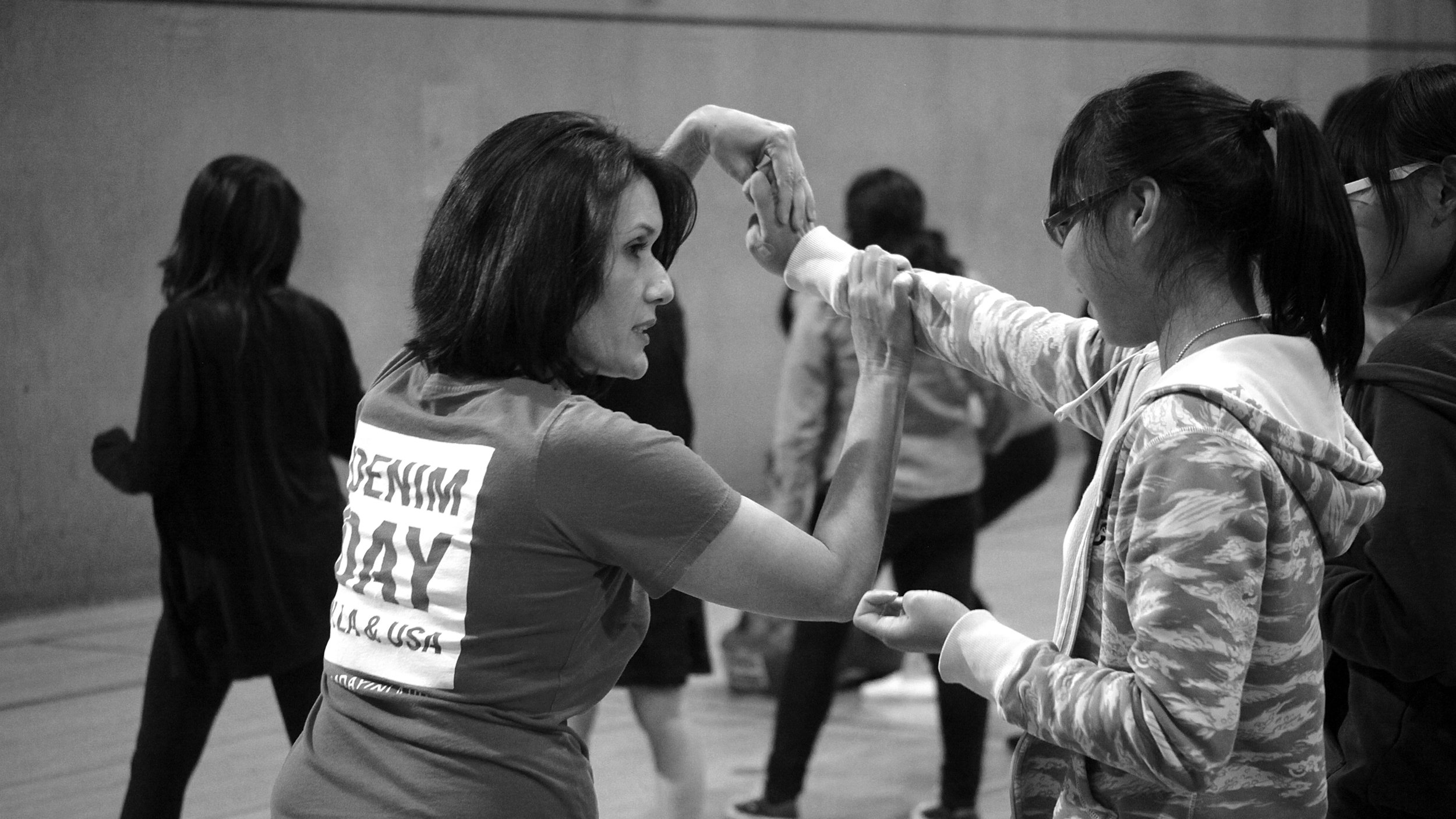
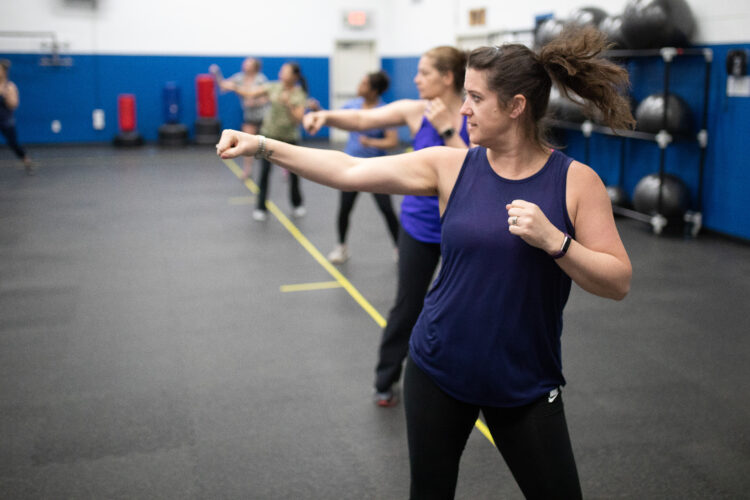
Self-defense training equips women with practical skills to handle threatening situations confidently and effectively. While tools like alarms and keychains provide passive protection, physical techniques offer active control—focusing on simple, high-impact moves that work regardless of size or strength.
Experts from programs like Krav Maga, RAD (Rape Aggression Defense), and women's Jiu-Jitsu emphasize that self-defense is 80-90% mental and awareness-based, with physical strikes as a final option. Training builds muscle memory, reduces freeze response under stress, and boosts overall confidence. Regular practice in realistic scenarios (with padded attackers) is key to making these techniques second nature.



Foundational Principles Before Techniques
Master these basics first:
- Situational Awareness — Scan surroundings, avoid distractions (e.g., headphones in isolated areas), and trust your gut—if something feels wrong, leave or seek help.
- Verbal Assertiveness — Use a loud, firm voice: "Stop!" or "Back away!" This alone deters many threats.
- Target Weak Points — Focus on eyes, nose, throat, groin, knees, or shins—these are effective against larger attackers.
- Escape is the Goal — Strike to create distance and run to safety, not to "win" a fight.
- Practice Under Stress — Training should simulate adrenaline (e.g., shouting, multiple attackers) for real-world effectiveness.
Top Self-Defense Techniques for Women
These moves are beginner-friendly, use gross motor skills (easy under stress), and are taught in most women's classes.
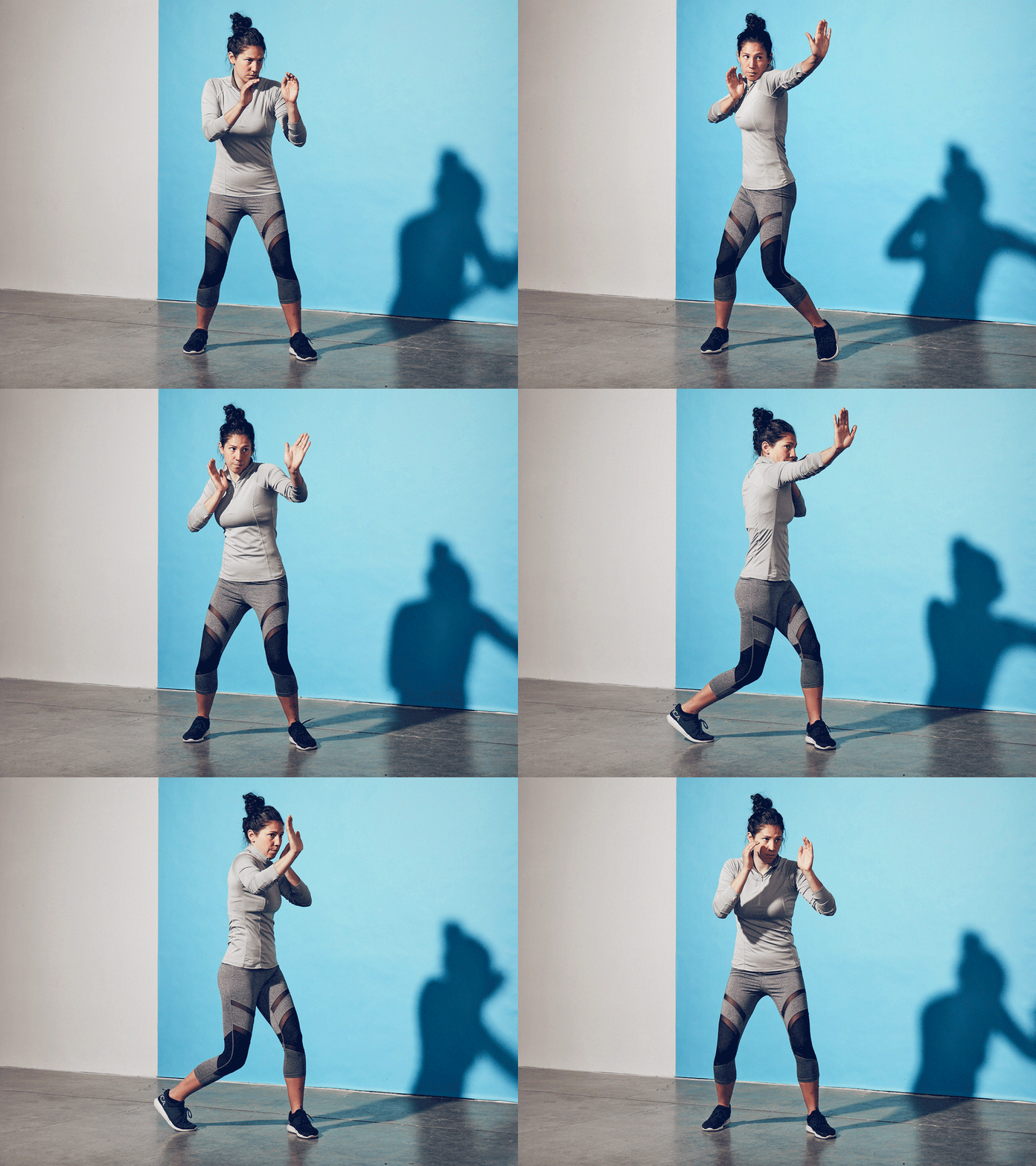
1. Heel-Palm Strike
Deliver an upward strike with the heel of your palm to the attacker's nose or chin. Generate power from your hips and core—it's safer than punching (no risk of breaking fingers) and creates instant disorientation for escape.

2. Elbow Strike
When grabbed closely, swing your elbow horizontally or upward into the face, jaw, or throat. Elbows are bony and strong—ideal for tight spaces where fists can't extend fully.

3. Knee Strike to Groin
If facing an attacker front-on, drive your knee sharply upward into the groin. This debilitating strike works on most assailants and buys time to follow up or flee.

4. Wrist Grab Escape
If grabbed by the wrist, rotate your arm toward the attacker's thumb (weakest grip point) and yank sharply. For double grabs, step in and use body weight to break free.

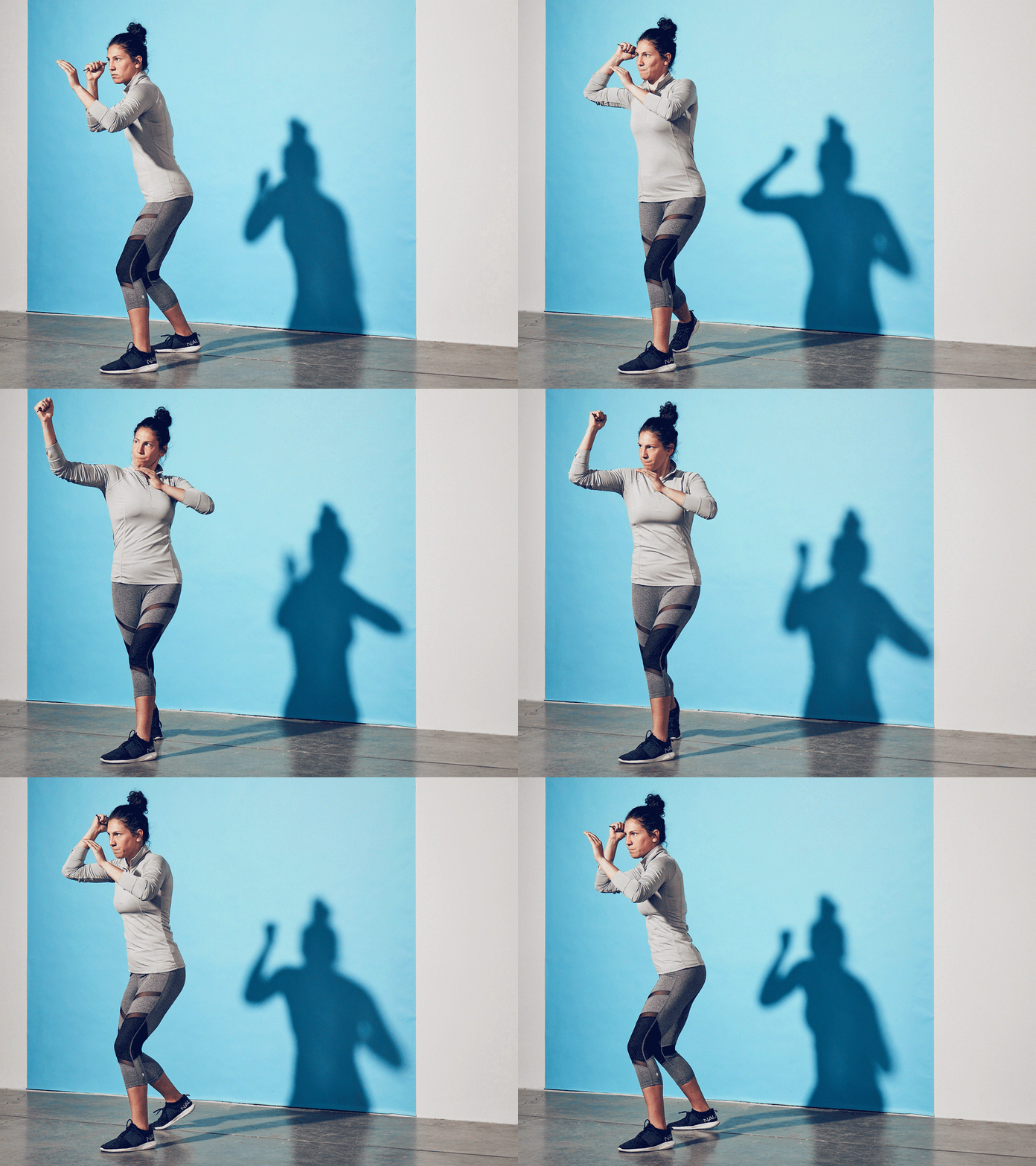
5. Hammer Fist Strike
From the side or rear, swing a closed fist downward like a hammer to the nose, temple, or groin. Great for overhead or side attacks.

How to Train Effectively
- Join a Class — Seek women-only or empowerment-focused programs (search for RAD, IMPACT, or local Krav Maga). They use padded suits for full-force practice.
- Practice Routine — Drill moves 2-3 times weekly, starting slow then adding speed/power.
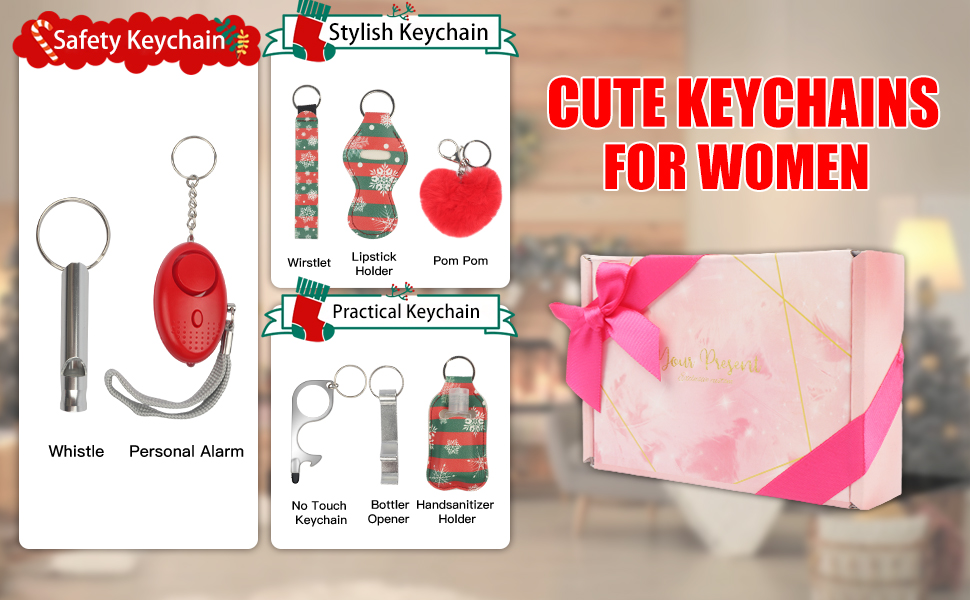
- Combine with Tools — Pair techniques with alarms or sprays for layered defense.
- Mental Training — Role-play scenarios and commit to action—many attacks succeed due to victim hesitation.
Self-defense training transforms fear into strength. It's not about fighting—it's about options and freedom. Enroll today, practice consistently, and carry yourself with confidence. You deserve to feel safe everywhere!
Stay aware, stay strong, and stay empowered!
Related Posts – Women's Personal Safety Guide 2025
Explore more helpful articles about staying safe, choosing the right tools, and feeling confident every day.


Comments
Post a Comment